
From Lab Bench to Barnyard

By Adrianna Blaszczyk, Research Scientist
Have you ever read a scientific paper and felt like you needed a dictionary for every second word? We get it. Science should be exciting, not exhausting.
My name is Adrianna and I’m a scientist here at Volta Greentech, and today I want to invite you into our thought process behind our product Lome and how it is made. We're going to break down exactly how we transform a delicate molecule into a safe, farm-ready feed additive that reduces cow methane emissions by up to 50%.
Everything starts with our active molecule: bromoform.
Bromoform is a naturally occurring molecule produced by marine algae as a defense mechanism to keep away hungry predators and harmful bacteria. At Volta Greentech, we used to grow seaweed to harvest this molecule. Today, we produce that exact same bromoform molecule but in the lab using a chemical reaction, an approach that is far more efficient, reliable, and scalable.
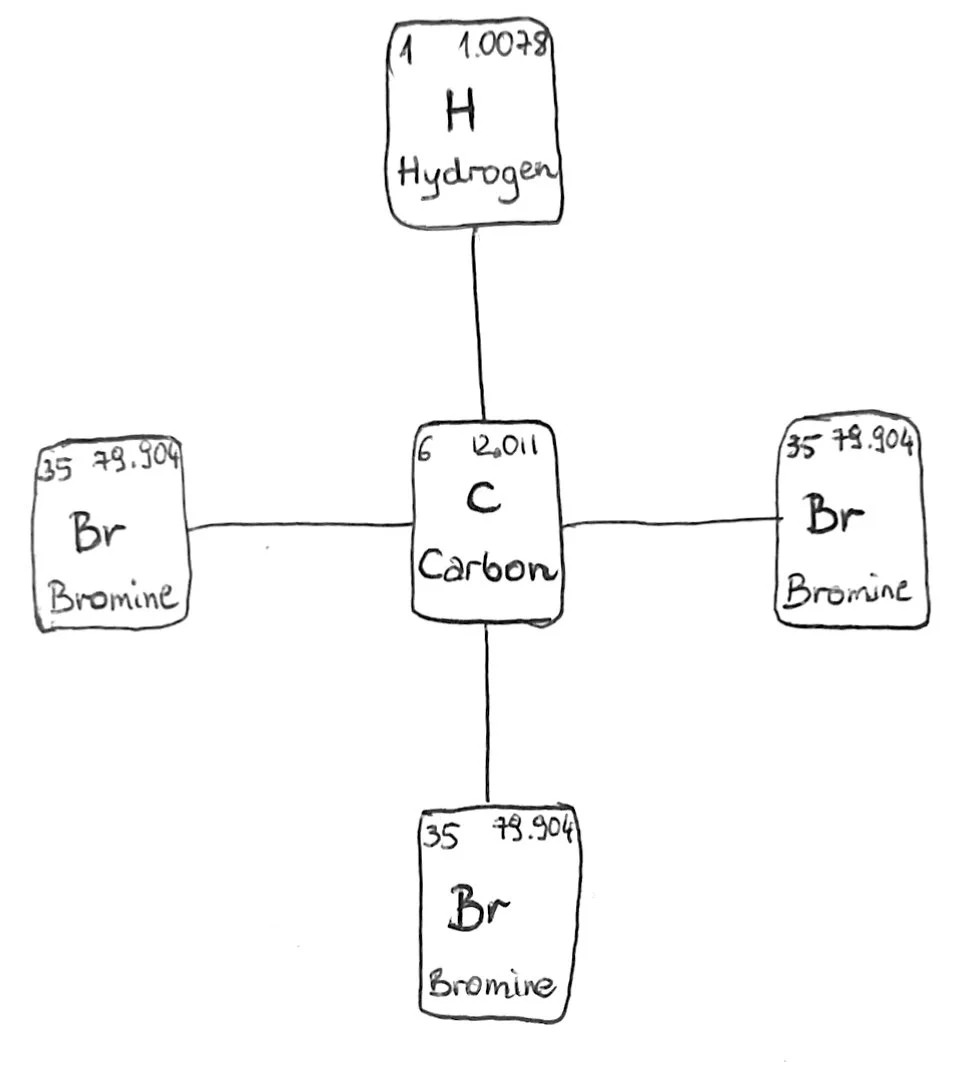
Here’s the catch with pure bromoform: it’s extremely fragile. Left in an open jar, it evaporates right into the air. In its pure, concentrated state, it is also exceptionally potent, requiring precise care and professional handling in the lab.
So, how do we tame it?
I like to think about it like it is chili powder. A handful of pure chili powder will set your mouth on fire, but just a tiny pinch stirred into a large pot of soup makes the dish perfect. When properly diluted and locked into our formula in tiny amounts, bromoform becomes safe, non-toxic, and ready to save the planet.
Trapping the Compound (The Mayonnaise Effect)
First, we dilute the bromoform into a standard, food-grade vegetable oil (just like the kind in your kitchen pantry). They smoothly blend together, creating a liquid base to carry our active ingredient directly into the final product.
Next, we mix carbohydrates ‘’carbs’’, and water. We tweak this mixture carefully so it handles heat well and won't turn into a sticky mess in our machinery.
The Emulsion: We blend the oil mixture and the carbs-water mixture together using a homogenizer - essentially a super-fast blender.
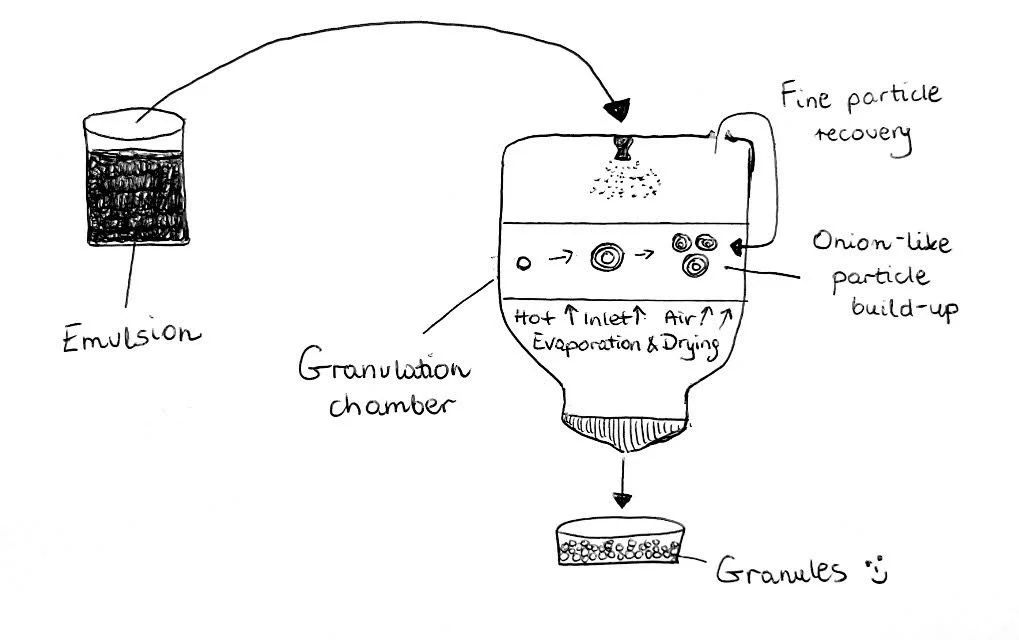
If you’ve ever whisked oil and egg to make creamy mayonnaise, you already understand this step! Instead of two separating layers of water and oil, we get one smooth, liquid emulsion.
Now comes the big machinery… We take our liquid emulsion and pump it into a spray granulator, where high pressure sprays it into fine droplets. As the droplets enter the heated drying chamber, the hot air evaporates the water instantly.
This process creates micro-capsules: tiny balls where the outer wall is made of solid carbohydrates, and the inside holds our bromoform-oil droplets.
My colleagues like to compare it to a chocolate chip cookie - a big cookie packed with lots of tiny chocolate chunks inside (our protected oil droplets).
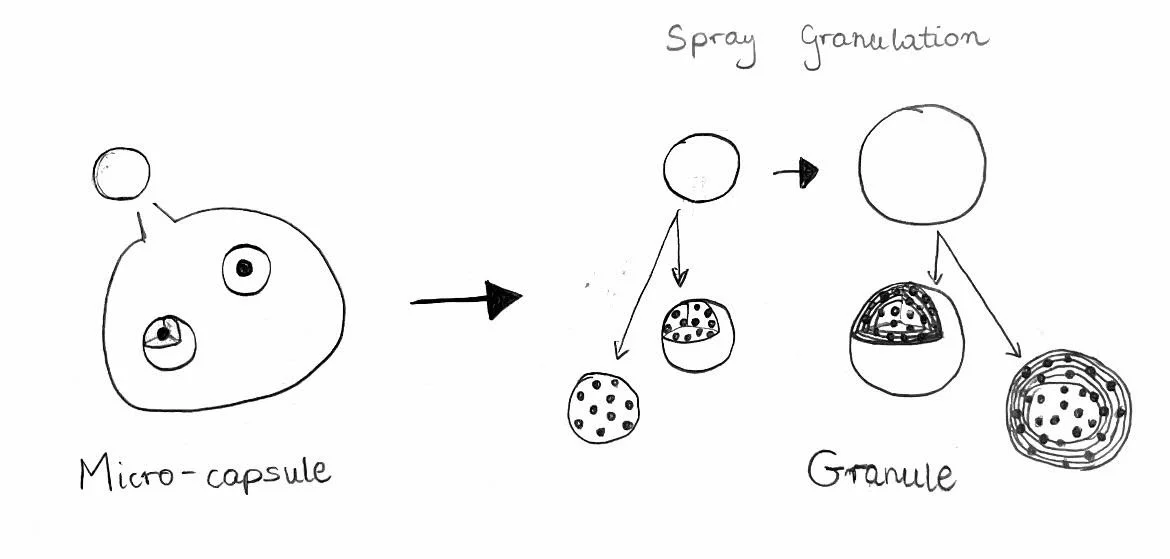
As these tiny pellets tumble together in the machine, they aggregate into larger, sturdy granules, very much like how soft snowflakes pack together to form hail pellets!
Granules mean no mess, no dust, and complete stability. We’ve officially created Lome in its final, most effective form. Yay!
At the end we bag up the granules and ship them to feed mills, where Lome is mixed into the regular cow’s feed for our customers, the farmers.
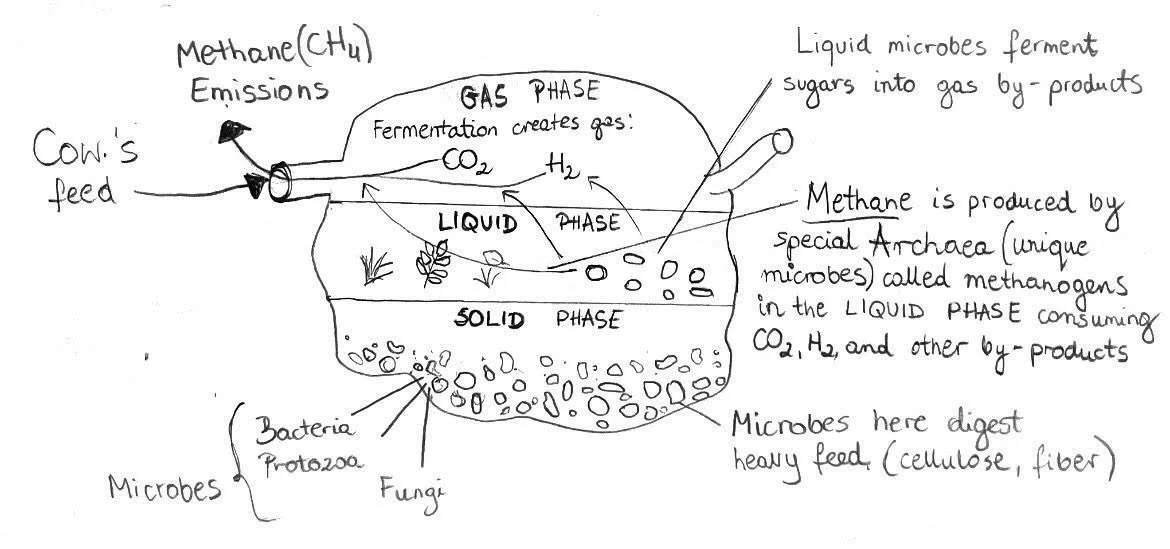
When the cow eats its meal, Lome travels straight to the rumen - the largest compartment of the cow's stomach.
Inside the digestive system of the rumen, the shell safely dissolves, releasing the oil exactly where it's needed. It gently interrupts the specific microbes responsible for generating methane gas.
The result?
The cow digests its food normally, but up to 50% less methane enters our atmosphere. Even better, because the cow no longer produces this methane, it retains far more usable energy - turning up to 5% more of what it eats into fuel.
——
Do you want to receive the latest blog posts and press releases from Volta Greentech directly to your email inbox?
Sign up here: www.voltagreentech.com/blog
